BM 1609929J65 02-06 2/15/06 10:43 AM Page 8
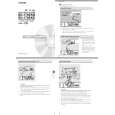
Masonry Cutting Wheel AssemblyFIG. 4
For cutting masonry materials like brick, tile,
stone, etc., it is best to use a dry diamond
cutting wheel. Use only lock nut and flange
with equal diameters. The wheel guard must
be used with a dry diamond cutting wheel.SPINDLE
Do not use water or other
!WARNING
cooling fluid with this tool for
cutting.
WHEEL
Disconnect tool from power source beforeGUARD
attaching cutting wheel. With wheel guard in
place, assemble flange, cutting wheel and lock
nut as illustrated on page 7.BACKING
FLANGE
When cutting, make only small passes
through workpiece at a time. Be aware that
DRY
OKickback� can occur at any time. Keep both
DIAMOND
hands on tool for maximum control.WHEEL
LOCK NUT
Sanding Accessories Assemblybrushes are equipped with their own
threaded hub, simply thread on to spindle.
BACKING PAD
Be sure to seat against shoulder before
Before attaching a backing
!WARNINGturning tool OON�.
pad be sure its maximum
safe operating speed is not exceeded by the
nameplate speed of the tool.FIG. 5
Wheel guard may not be
!WARNING
used for most sanding
operations. Always reinstall wheel guard
when converting back to grinding operations.
TO INSTALL BACKING PAD AND
SANDING DISC
Disconnect tool from power source. Set theSPINDLE
spindle up
rubber backing pad onto the spindle shaft.
Center the sanding disc on top of the
backing pad. Insert the lock nut through the
BACKING
disc and thread onto the spindle as far as
PAD
you can with your fingers. Press in the
spindle lock, then tighten the backing pad
Fig. 5
SANDING
TO REMOVE BACKING PAD AND
DISC
SANDING DISC
Disconnect tool from power source. Using
the lock nut wrench unscrew the nut from the
spindle, while holding spindle lock in.LOCK NUT
WIRE BRUSH ASSEMBLY
WIRE
Before assembling wire brush to this tool,BRUSH
disconnect from the power source. Wire
-8- |

 ACEC
ACEC