2-13-1
English
Electromotive Force of a Battery
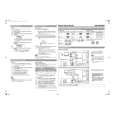
Activity:Activity: Setup Setup
� Equipment
This activity investigates the changes in the electromotive force of a voltaic battery overStand
time.Voltaic Battery (Zinc Plate, Copper Plate, Dilute Sulfuric Acid Solution, Cistern)
Flashlight BulbHydrogen PeroxidePipette with a bulb
TheoryVoltage Measurement Setup (EA-200, graphic scientific calculator, data communication
cable, voltage probe)
A voltaic battery is made of a zinc (Zn) plate and a copper (Cu) plate immersed in a dilute
solution of sulfuric acid (H2SO4). Employing the difference in the ionization tendencies
between the two metals, the zinc plate is the negative electrode (cathode), while the copper� Setting Up
plate is the positive electrode (anode).u Taking care that the two electrodes do not become shorted, setup the equipment as
Ionization tendency is the tendency of metal to release electrons, which become positivelyshown in the illustration.
charged ions. As shown below, zinc and copper are on opposite sides of the hydrogen
1Stand
molecule.
2Cistern
K Ca Na Mg Al Zn Fe Ni Sn Pb (H2) Cu Hg Ag Pt Au
3Dilute Sulfuric Acid Solution
Exposing zinc, which has a relatively strong ionization tendency, to the hydrogen ions in a
4Zinc Plate
dilute sulfuric acid solution, causes the zinc to dissolve and release electrons, creating a
5Copper Plate
minus charge. When the battery is connected to a circuit, the released electrons flow
6Negative Electrode
through the circuit to become electric current, and collect on the copper plate, which has a
7Positive Electrode
relatively weak ionization tendency and is not dissolving. The electrons on the surface of the
8Flashlight Bulb
copper plate are consumed when they attach to hydrogen ions in the dilute sulfuric acid
9Voltage Probe (CH1)
solution and give off hydrogen gas. As the electrons on the copper plate are consumed, the
0EA-200
zinc plate releases more electrons, which allows the flow of current to continue. The
reaction that occurs at the two electrodes at this time is represented by the chemical
expression shown below.
2+ �
Zn ? Zn+ 2e (Negative Electrode Reaction)
+ �
2H+ 2e ? H2 (Positive Electrode Reaction)
1Dilute Sulfuric Acid Solution
2Flashlight Bulb
3Negative Electrode (Zinc Plate)
4Positive Electrode (Copper Plate)
It should be noted here that should too much hydrogen gas foam build up on the copper
plate surface, a phenomenon called Opolarization� can cause the hydrogen gas to start to
return to hydrogen ions. Allowing polarization to continue will lead to deterioration of the
electromotive force of the battery. If this happens, hydrogen peroxide can be added to the
area around the copper plate, which reacts with the hydrogen gas and reduces the amount
of foam present. This, in turn, restores the electromotive force of the battery. Repeating this
measure when required will theoretically allow the battery to operate properly until the zinc
plate is completely dissolved. In actual practice, a voltaic battery will reach the end of its
useful life before then.
20020601 |

 ACEC
ACEC