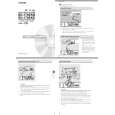
Fig. 16The freezer compartment, however, will become pro-
gressively covered with frost. This should be removed
with the special plastic scraper provided, whenever
the thickness of the frost exceeds 4 mm.
During this operation it is not necessary to switch off
the power supply or to remove the foodstuffs.
However, when the ice becomes very thick on the in-
ner liner, complete defrosting should be carried out
and it is advisable to perform this operation when the
appliance is empty.
To carry out complete defrosting of the freezer com-
partment () proceed as follows:
Unplug the appliance from the power supply or set the
D315thermostat on the �OE position. Remove the frozen
Fig. 17foods and wrap them in several sheets of newspaper
and then keep them in a cool place.
Leave the door open.
Place the plastic scraper in the middle, on the bottom
of the appliance, as shown in Fig. 19; place a basin
underneath to collect defrost water.
Fig. 19
D314
Defrosting
Frost is automatically eliminated from the evaporator
of the refrigerator compartment every time the motor
compressor stops, during normal use. The defrost wa-
ter drains out through a trough (Fig. 18) into a special
container on the back of the appliance where it evap-D068
orates.
After complete defrosting thoroughly dry the refrigera-
To clean the drainage hole use the special cleanertor compartment.
provided, which you will Ţnd already inserted intoKeep the scraper for future use.
the hole.Reconnect the appliance to the power supply, start it
Fig. 18up and, after half an hour, replace the foods previously
removed from the freezer.
Important
Remember that an increase in the surface tempera-
ture of already-frozen foods may signiŢcantly de-
crease their storage life.
Never use knives or metal objects to scrape away the
accumulated frost as this might damage the cooling
circuit.
D037
18 |

 ACEC
ACEC