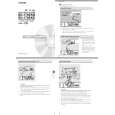
STORING FOOD
Refrigeration reduces the rate of food spoilage. To maxi-
NOTE:
mize the shelf life of perishable food products, ensure that
the food is of the freshest possible quality. The following is? Evenly place the food on the shelves to allow the cooling
a general guide to help promote longer food storage.air to circulate efficiently.
? Hot foods should be cooled before storing. Storing hot
foods increases the temperature in the unit and increases
the risk of food spoilage.
? Do not block the outlet and inlet of the cool air circulating
Fruit / Vegetables
circuit with foods or containers; otherwise the foods will
To minimize moisture loss, fruit and vegetables should benot be evenly cooled throughout the refrigerator.
loosely enclosed in a plastic material e.g. wrap, bags ( do
not seal ) and place in Vegetable crisper. Those fruits and
vegetables with thick skins e.g. oranges do not require
wrapping.
Do not place food directly in
front of cold air outlet. This may
lead to the food freezing.
Dairy Products & Eggs
? Most dairy products have a use by date on the outer pack-
aging which informs the recommended temperature and
shelf life of the product.
IN
? Eggs should be stored in the Egg holder.
OUT
FOR BEST FREEZING
? Quality of foods should be fresh.
MILK MILK
? Freeze small quantities of food at a time to freeze them
quickly.
? Food should be properly stored or covered and the air
should be removed to seal tightly.
? Evenly place the food in the freezer.
Meats / Fish / Poultry
? Label bags or containers to keep an inventory of freezing
? Place on a plate or dish and cover with paper or plasticfood.
wrap.
? For larger cuts of meat, fish, or poultry, place to the rear
of the shelves.
? Ensure all cooked food is wrapped securely or placed in
an airtight container.
6 |

 ACEC
ACEC