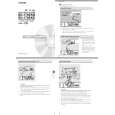
6. Place a coffee cup underneath the brew head. Do not attach
the portafilter to the brew head.
7. Press the Espresso Button � it is not necessary to wait for the
boiler to heat. This activates the water pump and fills the
brewing boiler with water. After a few seconds, water will flow
from the brew head. When the cup is full, press the Espresso
Button again to stop the water pump. The brewing boiler is
now ready for use.
10. When the pitcher is about half full, release the Hot WaterPERATION
O
Button and close the Steam Dial by rotating it clockwise until
it stops. The frothing boiler is now ready for use.
11. If no espresso is desired at this time, press the On/Off Power
Switch to turn the espresso machine off.EATURESAND
F
NOTE: Do not press the Espresso or Hot Water Buttons without
water in the reservoir. Damage to the water pump may occur.
8. Place the frothing pitcher under the nozzle of the frothing arm.
9. Slowly open the Steam Dial by turning it counter-clockwise,
then press and hold the Hot Water Button. This activates the
water pump and fills the frothing boiler with water. After a few
seconds, water will start flowing from the nozzle.
15 |

 ACEC
ACEC WHIRLPOOL