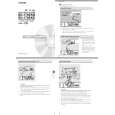
Frozen StorageInstallation
Attention! Before filling the freezer for the first time with previously frozenInstallation Location
goods, the necessary storage temperature of -18 °C must have been
The appliance should be set up in a well ventilated, dry room on a firm and
attained.
level surface.
Load freezer only with packaged frozen goods, so that they do not dry
Warning! The appliance may not be exposed to spray or water splashes.
out or lose their flavour, and so that no flavour contamination of other
There is a danger of electrical shock!
frozen goods can occur.
Energy use is affected by the ambient temperature.
Please observe maximum storage times and expiry dates of frozenThe appliance should therefore
goods.
not be exposed to direct sunlight;
Store ice cream and fatty foods in the lower area of the freezer (near to
not be installed next to radiators, cookers or other sources of heat;
the bottom).
only be installed at a location whose ambient temperature corresponds
Defrostingto the climate classification, for which the appliance is designed.
The climate classification is stipulated on the serial plate which can be
Whilst in operation and when the lid is opened, the moisture inside thefound on the inner side of the lid. The following table shows which ambient
freezer forms hoar frost. Remove this hoar frost from time to time with a
temperature is correct for each climate classification:
soft plastic scraper, e.g. a spatula. Do not under any circumstances use
hard or pointed objects for this purpose.
Defrost the freezer when the layer of hoar frost has become 4 mm thick.
Climate classificationfor an ambient temperature of
Models with a low frost system do not need to be defrosted as often, asSN+10 to +32 °C
in the case of these appliances ice and hoar frost take longer to build up
N+16 to +32 °C
in the freezer. The minimum frost system is maintenance free throughout
ST+18 to +38 °C
the entire service life of the appliance.
T+18 to +43 °C
A convenient time for defrosting is any time when the appliance is empty,
or only minimally loaded.
The freezer needs air.
Warning!
The side walls become warm whilst the appliance is on. The heat is
Do not use electrical heating appliances or any other mechanical or
generated by the special refrigerating system (shell condenser) and helps
artificial devices to speed up the defrosting process, with the exception
prevent condensation and thus rust from forming on the side walls. In
of those recommended in these operating instructions.order for the heat to be able to be dissipated, air must be able to circulate
around all the side walls.
Do not use defrosting sprays, because they may be a health hazard
and/or contain substances damaging to plastics.Attention! To function correctly the appliance requires good ventilation.
Caution! Do not touch frozen goods with wet hands Hands can freeze toMake sure that the side walls and the base of the appliance are not
the goods, and cause low temperature skin burns.covered or obstructed.
Remove frozen goods, pack them in several layers of newspaper, cover
FFthem and store them in a cool place, e.g. in a refrigerator.
Remove the mains plug or disconnect from the electricity supply.
FF
Remove the interior accessories (baskets, etc.).
FF
147 |

 ACEC
ACEC AEG
AEG