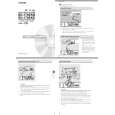
Reverb
DSL 100 & DSL 50
9. Channel B
Front Panel functions
Controls the reverb level on Channel B.
1. Power Switch
10. Channel A
On / Off Switch for mains power to the amplifier.
Controls the reverb level on Channel A.
2. Standby Switch
Controls H.T. or high voltage to the valves toUltra Gain / Channel B
allow them to attain correct working temperature
before playing. To prolong the life of the valves it is11. Volume
Governs the volume level of Channel B.
always advisable to switch on the Mains Power
Switch (item 1) about 2 minutes before switching on
the Standby (item 2).12. Lead 1 / Lead 2 Switch
The DSL 100 and DSL 50�s Channel B features
On switching off, the Standby should always betwo modes. The first, Lead 1, gives an open high
switched before the Power Switch.
gain crunch, with traditional Marshall characteristics,
The standby facility is particularly useful livesimilar to a hot-rodded JCM 800 2203 master
between sets and before playing, as it allows you tovolume.The Lead 2 mode however gives a mid-
keep the valves operating at a functional temperatureboosted tone coupled with even higher gain
but without any sound being produced.possibilities.
3. Deep Switch13. Gain
The Deep Switch adds a tuned or resonant bassControls the gain level for Channel B. As the
boost to your sound, increasing bottom end thud,amount of gain increases so will the distortion level in
without making your tone woolly around the allyour sound.
important low end.
14. LED
4. Presence ControlIndicates when Channel B has been selected.
Adds higher frequencies to the guitar tone, creating
crispness and bite. Turning this up will make the15. Channel Switch
sound more cutting and in your face.Selects Channel A or Channel B.
5. Treble Control16. LED
Controls the high frequencies of the guitar tone,Indicates when Channel A has been selected.
making your guitar sound brighter when increased.
Classic Gain / Channel A
6. Middle Control
Dictates the middle register of the amplifier.17. Volume
Turning this up will make your guitar sound fatter.Governs the volume level of Channel A
Conversely reducing the amount of middle in your
tone will result in a sharper and thinner guitar sound18. Clean / Crunch
for the classic Oscooped� tone.As with Channel B, Channel A features two
modes. The first, Clean, is reminiscent of an early
7. Bass Control
1959 Plexi Super Lead head. Depending on Gain
Controls the amount of low frequencies or bottomsettings (item .19) this mode will take you from clean
end in your tone.to a controlled Plexi style crunch. Crunch will take
you up to a JCM 800 2203style grind.
8. Tone Shift
The Tone Shift Switch reconfigures the tone19. Gain
network components to give a new dimension toControls the gain level for Channel A. As the
passive tone shaping. With the switch selected to theamount of gain increases so will the distortion level in
Oin� position and the Middle Control (item 6) turnedyour tone.
down the result is a scooped mid sound ideal for
certain classic metal styles.20. Input
Jack input for guitar.
3 |

 ACEC
ACEC OTHERS